Concrete Retaining Walls vs Stone: Which Suits Your Yard?
Homeowners in Mount Barker understand that managing sloped terrain requires more than basic landscaping. The rolling hills, reactive clay soils, and seasonal winter rainfall across the Adelaide Hills demand durable earth retention and strategic structural planning. When leveling a yard, creating usable outdoor living zones, or implementing vital erosion prevention, property owners typically choose between two primary materials: concrete retaining walls and natural stone. Selecting the right option depends on structural demands, design preferences, and long-term site stability.
Comparing Concrete Retaining Walls and Natural Stone
Both concrete and stone deliver exceptional structural longevity, but their performance profiles and installation requirements differ significantly based on your site's physical dynamics.
Concrete retaining walls—whether constructed using reinforced concrete sleepers or interlocking block retaining walls—represent modern structural reliability. As of 2026, innovative retaining wall systems feature engineered concrete units treated with specialized sealers that mimic natural stone textures while maintaining strict dimensional tolerances. Concrete offers superior structural consistency, making it the preferred choice for engineered retaining wall solutions holding high-surcharge loads, driveway embankments, or tiering on steep blocks common to Mount Barker.
Natural stone retaining walls, conversely, provide a timeless, organic look that harmonizes effortlessly with the Mount Barker rural landscape. Built as dry-stacked walls or mortared stonework, stone requires skilled hand craftsmanship. While stone offers distinct aesthetic beauty, building high stone structures often requires wider bases, complex mortar bedding, and substantial mass to resist soil pressure effectively.
Site Preparation: Excavation and Ground Reinforcement
A retaining wall is only as resilient as the https://eduardowltf703.stonefielddigest.com/posts/what-is-earth-retention-a-mount-barker-homeowner-x27-s-guide subgrade beneath it. Proper excavation and site prep remain essential to prevent settlement, rotational failure, and bowing over time. Navigating Mount Barker's heavy clay soils requires expert landscape excavation to establish solid footings below the frost and seasonal movement lines.
Professional excavation for retaining walls begins with precision foundation trenching for walls and thorough foundation digging for walls. Utilizing modern land grading techniques and skilled earth moving for landscape walls, contractors remove unstable organic topsoil down to load-bearing strata. In hilly terrain, hillside construction often necessitates specialized ground reinforcement, such as geogrid soil reinforcement layers or concrete blinding pads. Furthermore, careful landscape compaction and excavation guarantees that the subgrade beneath concrete footings or crushed-rock aggregate pads will support the finished wall without seasonal shifting.
The Critical Factor: Drainage Behind Retaining Walls
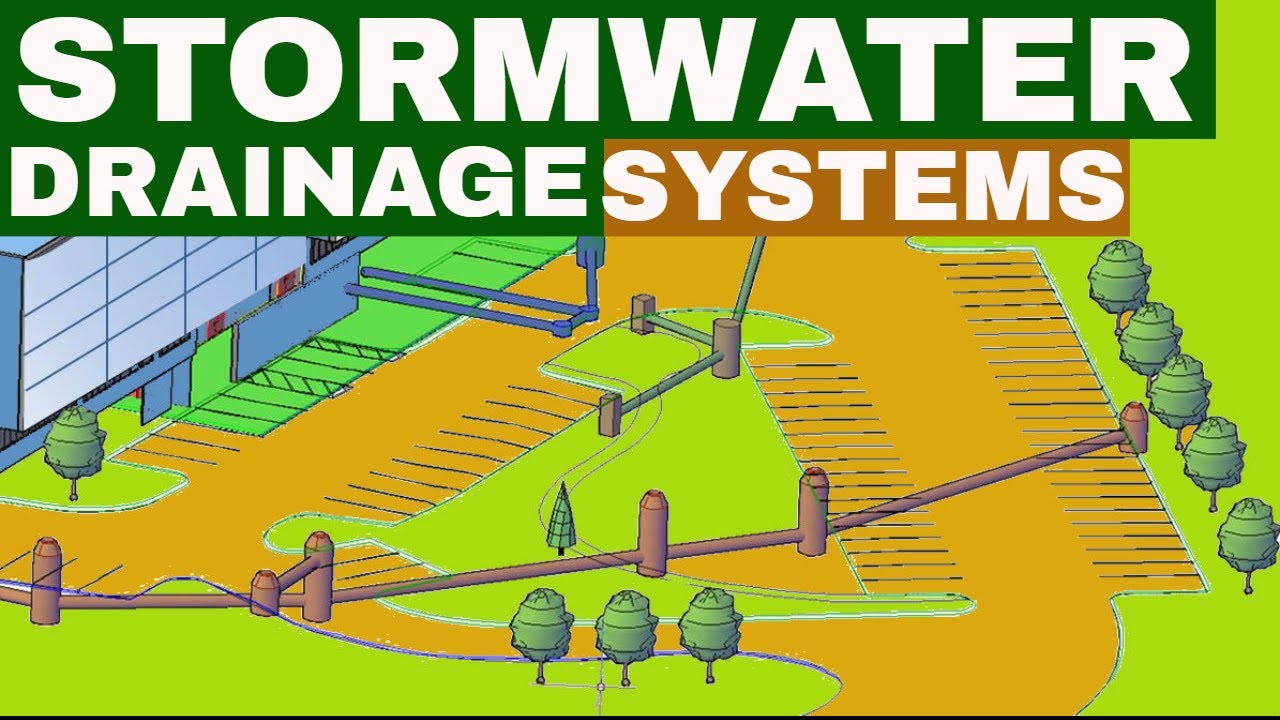
Hydrostatic pressure—the accumulation of water behind a barrier—is the leading cause of retaining wall failure. Given Mount Barker's winter rainfall patterns, drainage installation for retaining walls is just as vital as the facing material itself.
Comprehensive drainage behind retaining walls relies on integrating several specialized components into a single system:
- Drainage aggregate installation: Placing an open-graded gravel drainage layer directly behind the wall structure prevents saturated soil from pressing directly against the panels or blocks.
- Geotextile fabric drainage: Lining the soil trench with non-woven geotextile fabric prevents fine clay particles from washing into and clogging the drainage zone.
- French drain installation: A perforated agricultural drain placed at the footing base directs collected groundwater toward positive discharge outlets.
- Downspout drainage extension: Integrating rooftop stormwater or a catch basin installation redirects surface runoff away from wall crests, ensuring robust erosion control drainage.
Without effective stormwater drainage, even heavy-duty commercial retaining walls or thick rock structures can crack or shift under extreme hydraulic load. Investing in comprehensive stormwater drainage safeguards both the wall structure and surrounding landscapes.
Choosing the Right Option for Your Mount Barker Property
Selecting between stone and concrete involves weighing engineering requirements against site practicalities. Consider these central factors before commissioning work:

- Wall Height and Load: For modest terracing and small garden retaining walls under one meter, natural stone or decorative block options offer quick, flexible construction. For structural cuts requiring walls over one meter—common in new developments and hillside rebuilds—concrete sleeper systems provide certified, council-compliant earth retention.
- Space Footprint: Concrete sleepers require minimal footprint, making them ideal for boundary lines and narrow side paths. Stone walls typically require a deeper, stepped-back footprint to ensure stability.
- Site Access for Machinery: Heavy landscape earthwork excavation and complete landscape excavation projects benefit from machine-placed concrete components, speeding up turnaround. In areas with restricted access where heavy machinery cannot reach, hand-placed stone masonry may be the more viable alternative.
- Budget and Timeline: Concrete modular installations reduce manual labor costs and install rapidly. Handcrafted natural stone requires intense stone-masonry labor, generally leading to higher project investment.
Engineering Standards and Site Delivery
In South Australia, retaining walls exceeding one meter in total height—or those carrying surcharge loads such as driveways, swimming pools, or boundary fences—require development approval and formal engineering specifications. Modern standards in 2026 prioritize structural integrity alongside sustainable site hydrology, requiring verified landscape backfill and excavation processes.
Whether you choose sleek concrete retaining walls or character-rich stonework, partnering with an experienced landscape excavation contractor ensures your project starts on an unyielding foundation. From initial excavation and grading to final drainage aggregate installation, precise execution ensures your Mount Barker yard stays secure, beautiful, and structurally sound for decades to come.
Mt Barker Retaining Walls
2/56A Wellington Rd, Mount Barker SA 5251, Australia
(08) 7282 0278